
Meet the dedicated
team behind the
Reading Reform
Foundation
Meet the dedicated team behind the Reading Reform Foundation

Who are we?
Our trustees, advisors, and former members bring a wealth of experience and expertise, all united by a common goal: to improve the teaching of reading through evidence-based methods.
While we advocate for evidence-based teaching, we do not favour any specific programme for reading and writing. However, we recognise that well-designed programmes can significantly support teachers. Some of our committee members have commercial interests in specific resources and programmes; we value their expertise and their commitment to working cooperatively and without bias to further the RRF’s mission.
We invite you to learn more about the dedicated individuals who make up our team.

The RRF Trustees
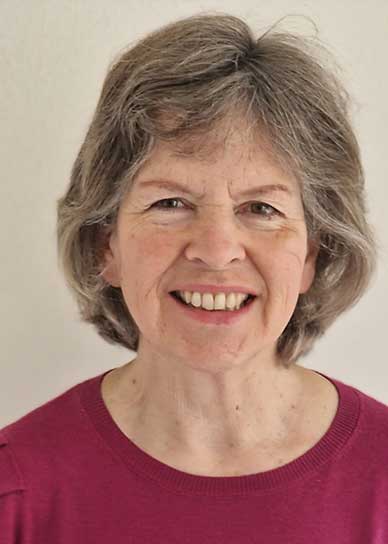
Elizabeth Nonweiler
Elizabeth is an experienced teacher who specialises in the teaching of fundamental reading and writing skills, according to reliable evidence.
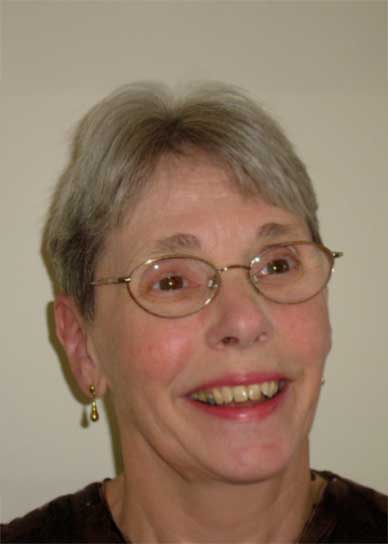

Carl Pattison
Independent early literacy consultant, English Hub strategic lead, and Early Reading lead for a large Academy Trust.

Dr Marlynne Grant
Former Local Authority Educational Psychologist specialising in literacy development and dyslexia
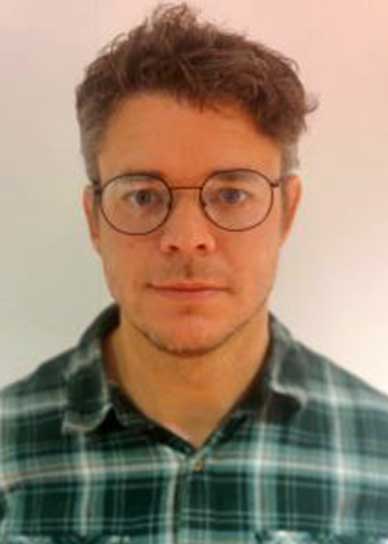
Rob Randel
Primary teacher since 2006 and has promoted evidence-informed early reading instruction throughout his career.
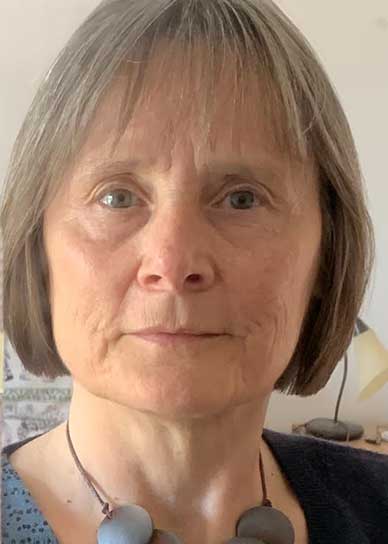
Dr Derrie Clark
practising educational psychologist with specialisms in literacy and behaviour
Sarah Wernham
Provides teacher training globally to promote effective reading instruction.
Alison Lewis
Teaching Assistant dedicated to providing one-to-one support for children with Special Educational Needs
RRF Advisors
RRF Former Members

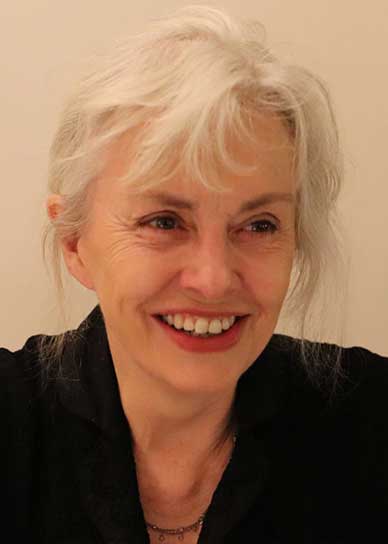

Jim Curran
Trained as an educational psychologist, Jim has taught at secondary level for 35 years.
Geraldine Carter
Dedicated campaigner for knowledge-based learning and systematic synthetic phonics.
Fiona Nevola
Over 30 years of teaching experience and served as Head of the English Department in two schools
Lesley Drake
Susan Godsland
Experienced tutor and the creator of the award-winning website www.dyslexics.org.uk
Maggie Downie
Former Literacy Intervention tutor at a secondary school in the North East of England
Tami Reis-Frankfort
Tutors pupils with literacy difficulties at the Bloomfield Learning Centre in London
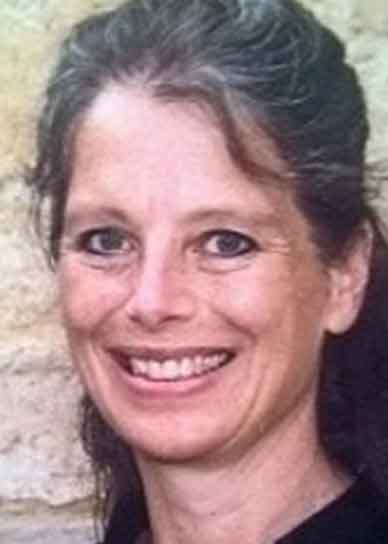
Monique Nowers
Morven Sutherland Pelly
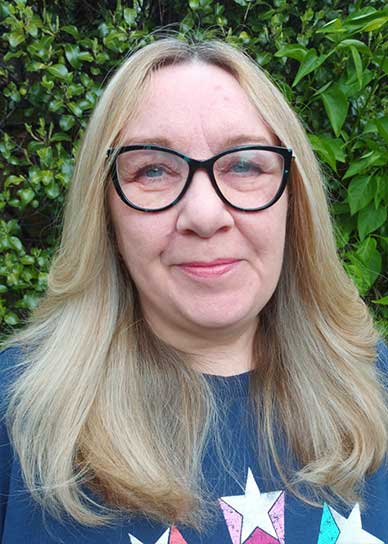
Sue Lloyd
Sue Lloyd is a retired infant teacher and co-author of Jolly Phonics. She taught in Suffolk for nearly 30 years. During that time, the synthetic-phonics method of teaching, used in Jolly Phonics, was developed in the classroom. Jolly Phonics is now being used successfully around the world. In fact, since retirement, Sue has given Jolly Phonics training in 29 countries.
Sue provides a free website (www.tcrw.co.uk), which covers synthetic-phonics teaching, the alphabet code, the causes of reading and writing problems and how the problems can be prevented.
In 2014 Sue was awarded an MBE for services to education.
Dr Marlynne Grant
Marlynne was a practising Local Authority Educational Psychologist who specialised in specific learning difficulties/dyslexia and literacy development. For many years, she conducted research into synthetic phonics with whole classes of Reception children, longitudinal research following children to the end of their Primary education and research with vulnerable groups of children. This research has helped to inform government policy.
She created the Sound Discovery® and Rapid Phonics programmes for first time teaching and for catch-up out of her experience of working with children and co-created the Faith in Phonics™ series of decodable Bible stories.
Dr Derrie Clark
Derrie is a practising educational psychologist with specialisms in literacy and behaviour. She completed a doctorate in 2014 exploring educational psychologists’ perceptions of early literacy instruction, assessment and intervention, against a backdrop of increasing research in best practice when teaching reading.
Derrie is keen that all children, irrespective of gender, ability and socio-economic status have equity of opportunity to the best-informed pedagogy to become readers and meet their full potential. She has been an active member of the RRF since 2005, sharing aspirations of other members dedicated to campaigning for better teaching of reading and spelling in the English language.
Elizabeth Nonweiler
Elizabeth is an experienced teacher who specialises in the teaching of fundamental reading and writing skills, according to reliable evidence.
She has taught classes of four to seven year olds, tutored those of all ages who have struggled to learn to read, trained teachers in the UK and abroad, and advised governments. She has helped to implement initiatives for state-maintained schools in England and was one of the authors of “The reading framework: teaching the foundations of literacy” (DfE 2023).
As Chair of the RRF, Elizabeth works for better teaching of reading and writing for all.
Carl Pattison
Carl is an independent early literacy consultant, English Hub strategic lead and Early Reading lead for a large Academy Trust. With numerous years of primary teaching experience and headship behind him, he is able to offer whole school support and a deep understanding of the challenges schools face.
Having questioned how his own children were taught to read, he explored alternative solutions and soon became a keen advocate for systematic synthetic phonics. Through his independent work and lead roles within his trust, he has built up the expertise to work closely with schools so they improve reading and writing outcomes for all children.
Rob Randel
Rob has been a primary teacher in Wales since 2006. Having promoted high quality and evidence-informed early reading instruction for several years, he has a wealth of experience in advising school leaders and teachers about the science of reading, and how they can best evaluate their current provision.
Since 2021, he has been a committee member of the Reading Reform Foundation and an Advisory Group member to the International Foundation for Early Reading Instruction.
Morven Sutherland Pelly
With over 20 years experience as a speech and language therapist in England, Scotland and abroad, Morven has a wealth of knowledge, skills and experience supporting children with a wide range of speech, language and communication needs.
Moven is a passionate advocate for young people’s right to receive high quality evidence based literacy and language interventions. She has trained as a ‘Sounds Write’ facilitator. She represents the Association of Independent Speech and Language Therapists in Independent Practice (ASLTIP) on the Royal College of Speech and Language Therapists (RCSLT) Scotland Hub Forum. She is also a BACP registered counsellor and psychotherapist.
Sarah Wernham
Sara was fortunate to start her teaching career in a small school in in the northern most reaches of Suffolk, where Sue Lloyd was in the process of developing ‘Jolly Phonics’. Sue and Sara very quickly formed a strong and enduring partnership.
Sara is passionate that reading and writing are taught in the simplest and most effective way possible.
As a class teacher, Sara taught across all year groups in the school, and spent five years as SenCo. As well as continuing to work with Jolly Learning, she currently provides teacher training and support to schools and teachers, quite literally all over the world.
Dr Amy Hulson-Jones
Amy is a senior Honorary Research Associate at the school of Education, Bangor University, and a primary school teacher in North Wales. For her PhD Amy investigated effective interventions at improving the literacy skills of those at risk of criminal behaviour and reoffending.
Sharing her time between research and practice, Amy describes herself as an evidence-based teacher who engages in close to practice research within her own classroom. She has a strong interest in effective reading instruction and is passionate about working towards ensuring every child in Wales leaves school being able to read well.
Ruth Miskin CBE
As a Reception teacher, Ruth always felt the huge responsibility of teaching children to read. Over the years, she tried different methods and schemes, but it was only when she became a headteacher that she had the time to research and trial the most effective methods. Since 2002, much of her time has been devoted to developing a phonics programme called Read Write Inc; it has been used to teach millions of children to read.
Successive governments have drawn on Ruth’s expertise in the teaching of literacy. She advised on the Rose Review into the teaching of early reading (2006), Lord Bew’s SATs Review Committee (2011), the phonics screening check (2012) and the National Curriculum (2014). She led the English Hubs Training Centre (2019-21) and co-wrote The reading framework (2021/23).
In 2011 Ruth was awarded an OBE for services to Education, in 2019 she was awarded a CBE for services to reading and in 2024 she was made a dame.
Alison Lewis
Ally is a Teaching Assistant dedicated to providing one-to-one support for children with Special Educational Need and all those who struggle to learn to read and spell. She lives in Northern Ireland and is a co-founder of Dyslexia Awareness NI, where she and her colleagues advocate for early intervention and improved Tier 1 instruction. The end goal is to prevent literacy challenges from escalating; to ensure all children have access to literacy opportunities whatever their need.
Ally has contributed to the Independent Review of Education in NI, and hopes that the NI Assembly is now committed to the reform needed.
Nicky Humphreys
Nicky is an independent specialist teacher in Northern Ireland providing support for children with dyslexia/SpLD (Specific Learning Difficulty). She is co-founder of Dyslexia Awareness NI, advocating for improved Tier 1 instruction and early intervention. She has contributed to the Independent Review of Education in Northern Ireland and submitted evidence to the upcoming Review of the Northern Ireland Curriculum.
Nicky believes all children should leave Primary School with the literacy levels needed to access the secondary curriculum.
Debbie Hepplewhite MBE
Geraldine Carter
Geraldine was an RRF member from 2000 to 2024 and is a dedicated campaigner for knowledge-based learning and systematic synthetic phonics. Her work focuses on encouraging children to read widely, extending their imagination, knowledge, creativity, and critical thinking. Geraldine is the publisher of Piper Books, providing decodable readers for struggling and emergent readers. Learn more at Piper Books.
Fiona Nevola
Fiona was a primary and middle school classroom teacher in both the public and independent sectors for over thirty years and Head of the English department in two schools over a 10 year period.
Throughout her teaching career she has been aware of the confusion about how to teach reading and spelling and witnessed the struggles of many children. Despite her interest in this area she was unable to make a significant difference. It was only after reading Diane McGuinness’, Why Children Can’t Read in 1998 and being introduced to a new way of teaching ( Phono- Graphix ™: C and G McGuinness) that successfully taught children to read and spell, she decided to leave the classroom and devote all her energies to the teaching of reading.
She trained teachers on independent trainings in Oxford, and for schools, special schools, academies, FE Colleges and YOIs, in the Sound Reading System, developed by Fiona and based on the findings of Diane McGuinness. www.soundreadingsystem.co.uk
Marilena Moriconi
After working in Italy for 12 years, Marilena returned to Scotland and currently serves as PT of Literacy at Lourdes Secondary School in Glasgow. She focuses on effective literacy instruction and supporting student success.
Anne Glennie
Anne is an education consultant and trainer, owner of The Learning Zoo, and the author of Reflective Reading. She is a former member of the Reading Reform Foundation Effective Reading Instruction.
Anne has been a prominent advocate for reforming reading instruction in Scotland, emphasising the adoption of systematic synthetic phonics (SSP) to enhance literacy outcomes and address educational disparities.
Since 2015, she actively campaigned for the integration of SSP into Scottish education, submitting two petitions to the Scottish Parliament:
PE1668 (2017): Called for national guidance and teacher training in research-informed reading instruction, specifically SSP. This petition was closed in 2022 without legislative changes.
PE2037 (2023): Renewed the call for SSP implementation, highlighting that while phonics is used in many schools, it is often supplemented with less effective strategies. The petition emphasized the need for consistent, evidence-based instruction to improve literacy attainment.
Anne has trained over 11,000 teachers in literacy instruction through her programmes: Reflective Reading, Phonics Forever and The Story Kitchen which provide educators with practical, evidence-based tools for effective reading and writing instruction.
Also passionate about reading for pleasure, Anne founded Cranachan Publishing in 2016 which specialises in high quality, children’s and YA fiction with a Scottish flavour. In 2022, Cranachan won the Small Press of the Year category for Scotland at the British Book Awards.
@anneglennie, www.thelearningzoo.co.uk
Debbie Hepplewhite
Debbie has been fundamental to the success of the Reading Reform Foundation.
In 2001 Debbie and David Hepplewhite set up the RRF website and worked tirelessly to contribute to it and maintain it. Until 2007, Debbie edited and published a series of regular RRF Newsletters. Later, with the growing capacity of the internet to provide up to the minute information, the website became the main vehicle for publishing news and articles of interest. Then Debbie and David scanned past Newsletters to add to the existing archive, providing a fascinating history of the RRF’s campaign for the introduction of evidence-based teaching of reading.
Representing the RRF, Debbie wrote numerous letters and emails to those with influence to improve the teaching of reading. She campaigned extensively over many years to achieve national, evidence-based, systematic synthetic phonics teaching in primary schools. She advised the British government for the parliamentary inquiry ‘Teaching Children to Read’ (March 2005) and she helped to inform Sir Jim Rose’s ‘Independent review of the teaching of early reading’ (Final Report, Jim Rose, March 2006).
A former teacher and headteacher, Debbie is known to be a controversial and inspirational speaker – having spoken alongside Jim Rose at literacy conferences. Debbie has written many challenging articles for educational magazines and for many years she has provided practical advice for parents, teaching professionals, teacher-trainers, politicians, publishers and manufacturers.
There is no doubt Debie’s efforts have been crucial to improvements in the teaching of reading in England and around the world. In 2012, she was awarded an MBE in the Queen’s New Year Honours List for services to education.
Debbie is the author of three DfE validated systematic synthetic phonics programmes – ‘Phonics International’, ‘Floppy’s Phonics’ and ‘No Nonsense Phonics’.
Susan Godsland
Susan is an experienced tutor and the creator of the award-winning website www.dyslexics.org.uk, which provides comprehensive information on evidence-based reading instruction. She has worked with struggling readers of all ages and is a member of the Developmental Disorders of Language and Literacy (DDOLL) Network Group.
Professor Diane McGuinness
Diane made significant contributions to the understanding of the English alphabetic code and evidence-based reading instruction. Her work influenced educational policy, and her books and articles remain valuable resources. Diane passed away in 2022. The RRF is deeply grateful for her support and for her lasting impact on literacy education.
Susan McNamara
Susan is from the industrial weaving town of Paisley, Scotland. For most of the past twenty years, she has worked as an English teacher supporting children in developing their literacy skills. Professionally, and personally, the skills of literacy are one of her life’s great passions.
Currently, she is completing a Master’s in Special Education and Inclusion, and in the process of setting up a social enterprise to support children with special educational needs with communication, language and reading.
Susan believes there is a fundamental misunderstanding in Scottish education of the importance of literacy and its transformative effect on educational and life outcomes, and in closing the poverty related attainment gap.
Jim Curran
Trained as an educational psychologist, Jim has taught at secondary level for 35 years. He is manager of the Special Education Unit, De La Salle High school in Downpatrick, N. Ireland.
Lesley Drake
Lesley became an NLS Literacy consultant in the early days of the National Literacy Strategy but became disillusioned with the role, when she felt that the NLS was promoting flawed methods of teaching reading, and returned to teaching. The school she now works in promotes a rigorous, whole-school approach to the teaching of synthetic phonics and was judged to be Outstanding in its recent Ofsted inspection.
Maggie Downie
Maggie was a Literacy Intervention tutor at a secondary school in the North East of England, and has recently retired. Having been trained in ‘other methods’ she found that synthetic phonics produced the best and most consistent results with struggling readers aged 11+. She would, however, dearly like to see her job made obsolete by the universal implementation of good synthetic phonics teaching in Early Years and KS1.
Tami Reis-Frankfort
Tami first became interested in Phonics when she saw how some pupils in her inner city class were failing to make progress in reading. After a number of years teaching EAL pupils, she trained in Specific Learning Difficulties and then in Phono-Graphix and in the Sounds-Write Reading and Spelling programme.
She currently works at the Bloomfield Learning Centre in London where she tutors pupils with literacy difficulties. There she found that children needed not only a Systematic Phonics programme but decodable reading books to support the phonics teaching. As a result, with two colleagues, she created a publishing company Phonics Books Ltd. She is now involved in publishing decodable reading material for beginner and older, reluctant readers. www.phonicbooks.co.uk
Jennifer Chew
Jennifer Chew has degrees from the University of Natal and the University of Cambridge. She first taught English and Latin in secondary schools in South Africa, and later taught at a sixth form college in England, where she made a particular study of students’ spelling.
After retiring, she helped voluntarily with reading for 17 years, first in a junior school, working mainly with Year 3 children, and then also in an infant school, working with children from Reception to Year 2. In 2006-7, she was a contributor to the government Letters and Sounds (2007) programme, and then, in 2010-11, she was consulted, as a ‘phonics expert’, on the development of the Phonics Screening Check. She subsequently contributed to the English Programme of Study for Key Stages 1 and 2 in the revised National Curriculum published in 2013.
Ann Sullivan
Ann Sullivan has over 35 years’ experience in mainstream and specialist education, with a specialism in working with learners with complex needs. She is the author of the Phonics for Pupils with Special Educational Needs, a linguistic phonics programme designed for learners with a range of complex additional needs, the Pathway to Phonics programme, Access to Phonics book and A Parent’s Guide to Phonics book. She is now an educational consultant, writer and trainer
Website for more information: phonicsforpupilswithspecialeducationalneeds.com

News & Discussion
Tributes to Geraldine Carter
Geraldine passed away in May this year. She was a valued member of the Reading Reform Foundation, as well as a dear colleague and friend to many of us. Geraldine was a passionate advocate of systematic synthetic phonics and knowledge-based learning. Her work focused...
The Magic of Blending
What do I do when they find it difficult? Part 1 Of all the aspects of teaching reading and spelling, perhaps the trickiest is blending, especially when teaching those learners who find it difficult. Blending is the cornerstone of reading and without this skill...
The Joy of Reading and the Scandal of Child Illiteracy
Children should experience stories, books and literature as early as possible. When they cannot yet read words easily and independently, they delight in having stories read aloud to them – it is simply the best way for them to enjoy literature at this...